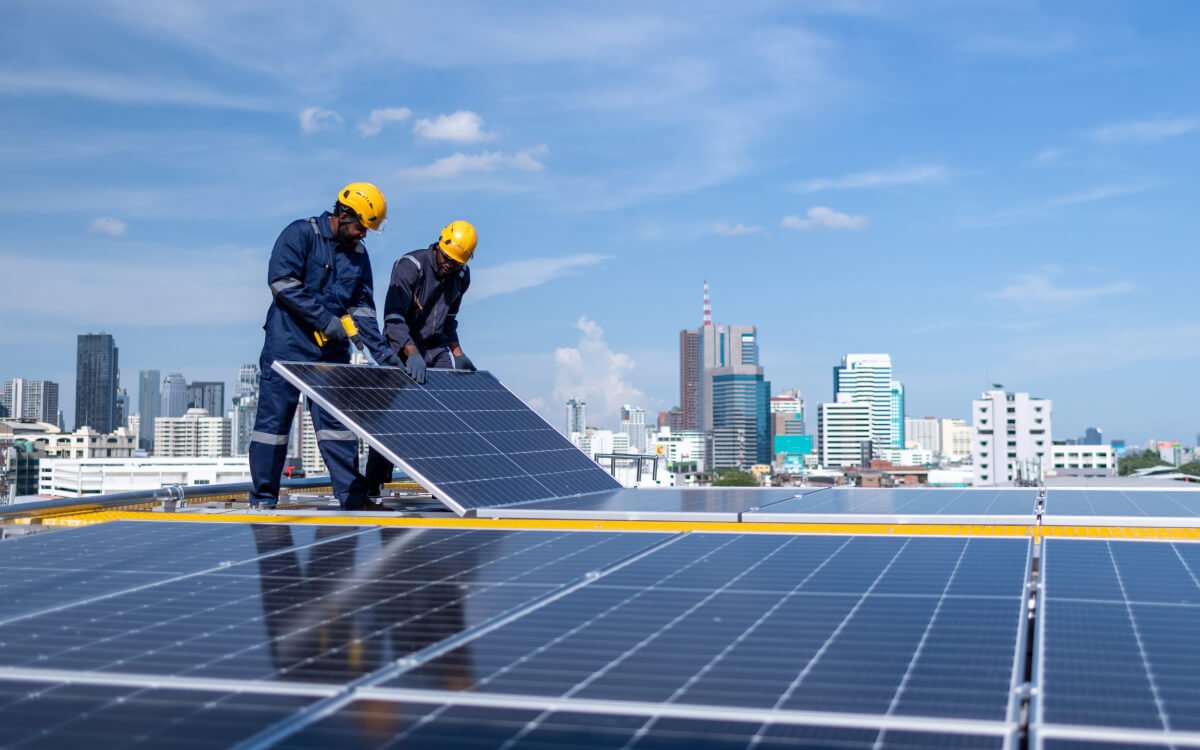
Si Green Energy plans, supplies and installs solar power systems for homes, businesses and industry, with engineering support from the first site survey to long-term maintenance.
Si Green Energy plans, supplies and installs solar power systems for homes, businesses and industry, with engineering support from the first site survey to long-term maintenance.


If your solar system includes battery storage, choosing between lithium and lead-acid batteries is one of the most important decisions you will make. Both can work well, but they behave very differently.
Lead-acid batteries last longer when they are not deeply discharged, so typically only part of their rated capacity is used regularly. Lithium iron phosphate (LiFePO4) batteries can use a much larger share of their rated capacity. In practice, a lead-acid bank usually needs a larger rated capacity to deliver the same usable energy.
LiFePO4 batteries generally withstand many more charge and discharge cycles than lead-acid batteries. The exact figures depend on the product, depth of discharge and operating temperature, so always check the manufacturer's datasheet.
Flooded lead-acid batteries, including many tubular batteries, need periodic checks of electrolyte level and should be installed in a ventilated space. Lithium batteries are sealed, maintenance-free and protected by a battery management system (BMS).
Lithium batteries typically have higher round-trip efficiency, so more of the energy put in can be taken out again. They also accept charge faster. Charger settings must match the battery chemistry: settings designed for lead-acid batteries are not suitable for lithium batteries.
Lead-acid batteries cost less to buy, which makes them attractive for small systems and tight budgets. Lithium batteries cost more up front but may offer better value over the life of the system for systems that cycle daily.
Which should you choose?
For daily-cycling hybrid and off-grid systems, lithium is often the better long-term choice. For small systems used occasionally, lead-acid can still make sense. Si Green Energy will help you compare the options for your situation.


Copyright 2026 - All Rights Reserved By Si Green Energy