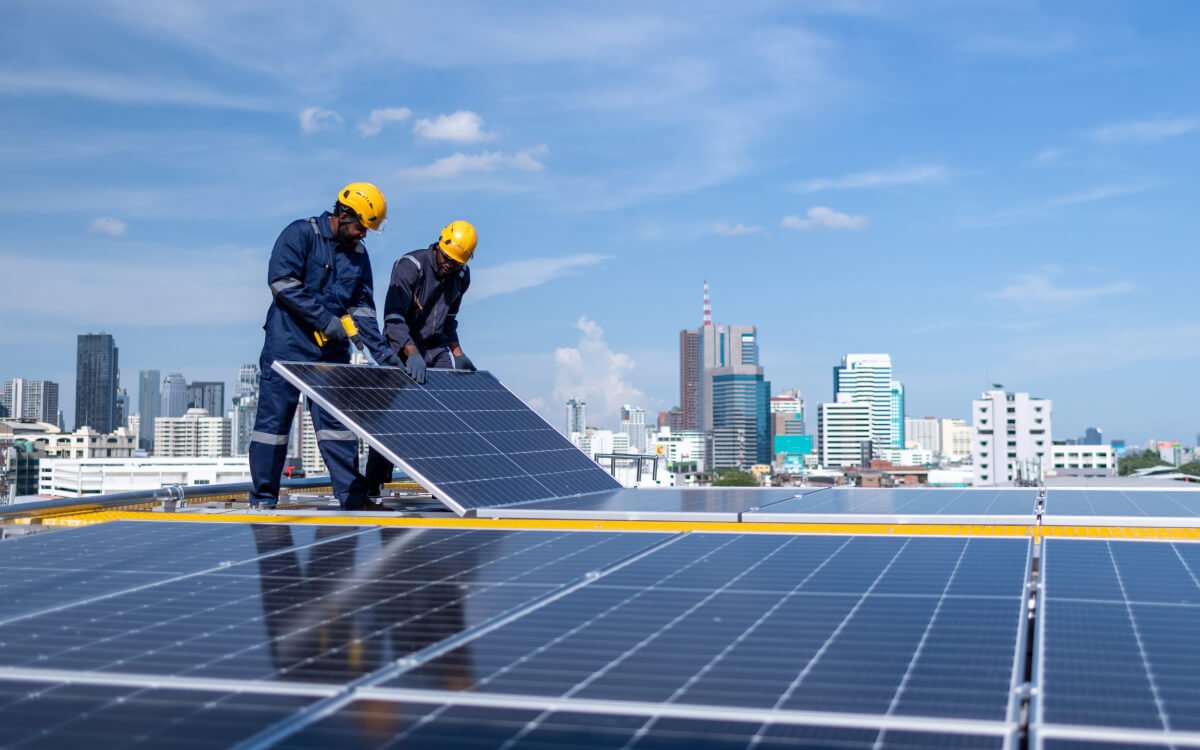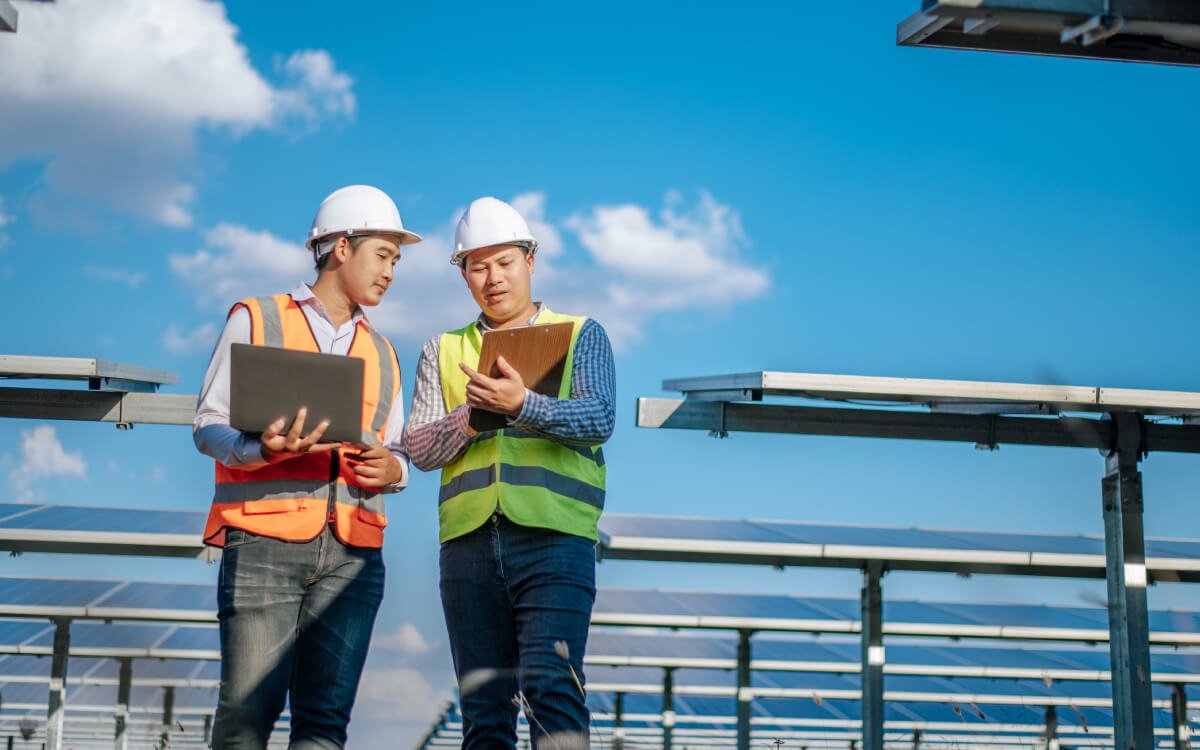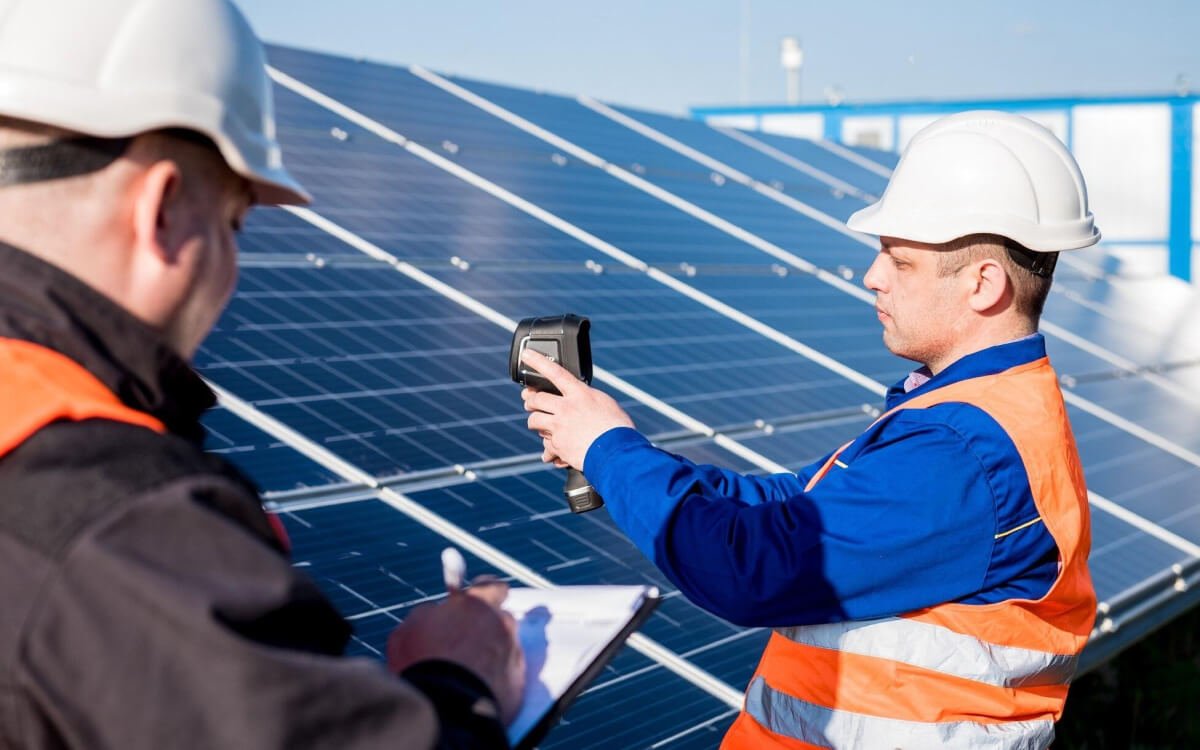
Si Green Energy plans, supplies and installs solar power systems for homes, businesses and industry, with engineering support from the first site survey to long-term maintenance.
Si Green Energy plans, supplies and installs solar power systems for homes, businesses and industry, with engineering support from the first site survey to long-term maintenance.

Solar panels produce direct current (DC) electricity, but most appliances and the utility grid use alternating current (AC). The inverter converts one into the other, and it does much more besides.
Converts DC power from panels or batteries into AC power for your loads. Tracks the maximum power point of the panels so they produce as much energy as possible. Monitors the system and records generation data on many models. Protects the system by disconnecting when faults occur or, in grid-tied systems, when the grid fails.
On-grid inverters connect to the utility grid and synchronise with it. They include anti-islanding protection and do not provide backup during outages.
Off-grid inverters work with batteries and no grid connection. Many include a built-in solar charge controller.
Hybrid inverters manage solar panels, batteries and the grid together. They can provide backup during power cuts while also using the grid when needed.
A string inverter is connected to one or more strings of panels and is the most common choice. Microinverters are installed at each panel, so shading or a fault on one panel affects only that panel. Power optimisers are a middle path, used with string inverters to reduce the effect of shading.
The inverter must match the solar array, battery type and your loads. It should be installed in a shaded, ventilated location, with correct protection on both DC and AC sides. Si Green Energy sizes and configures inverters as part of every system design.
Copyright 2026 - All Rights Reserved By Si Green Energy