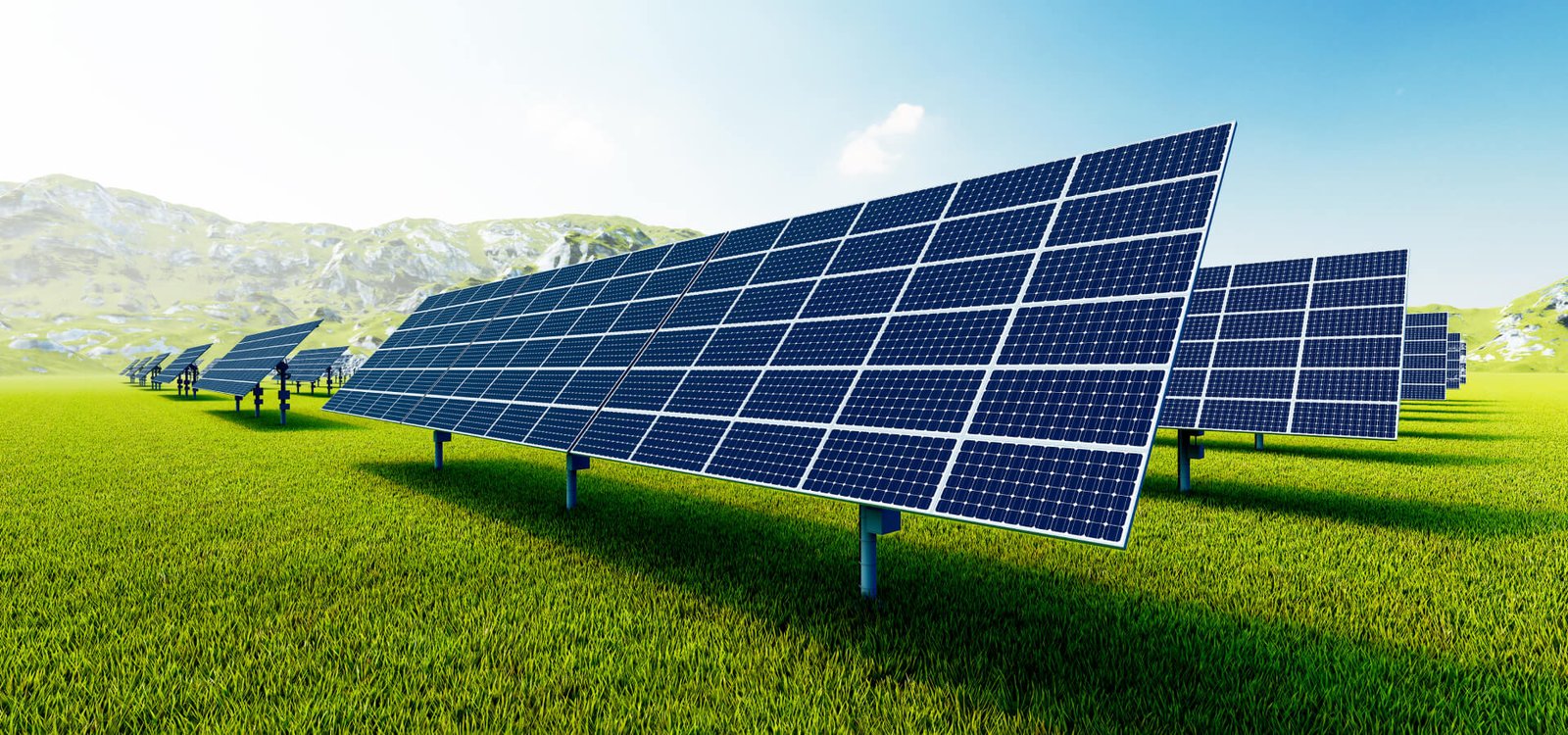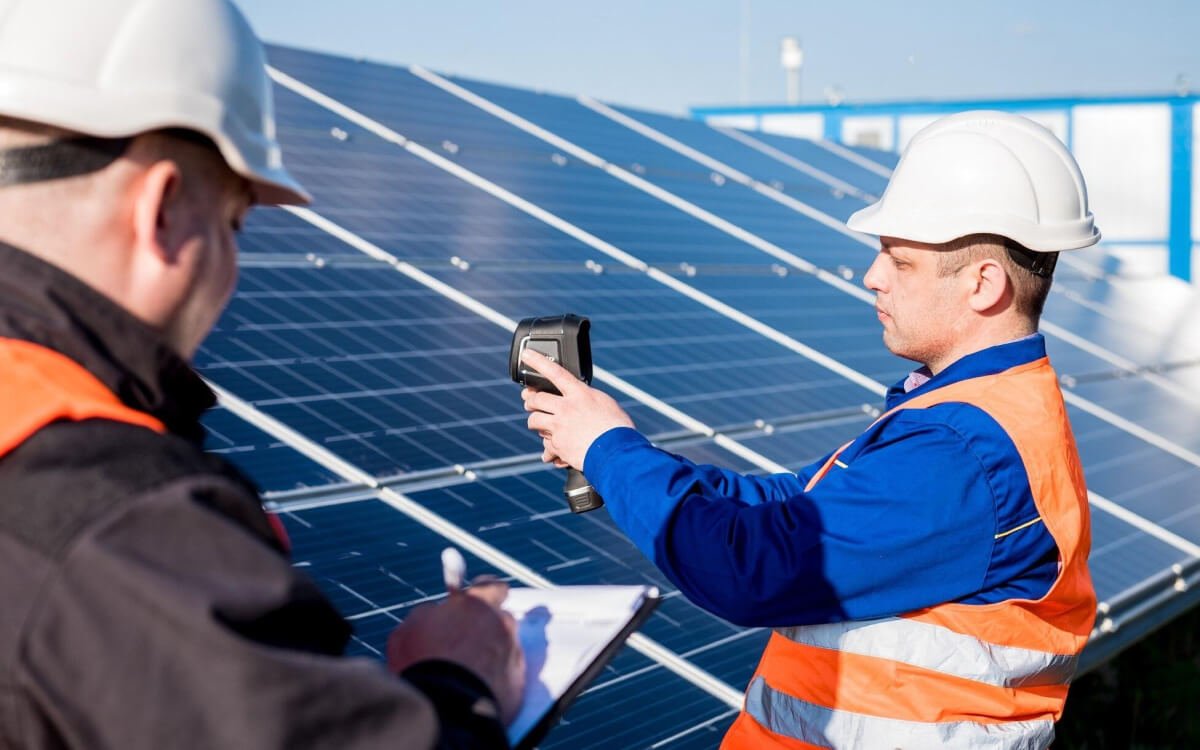
Si Green Energy plans, supplies and installs solar power systems for homes, businesses and industry, with engineering support from the first site survey to long-term maintenance.
Si Green Energy plans, supplies and installs solar power systems for homes, businesses and industry, with engineering support from the first site survey to long-term maintenance.

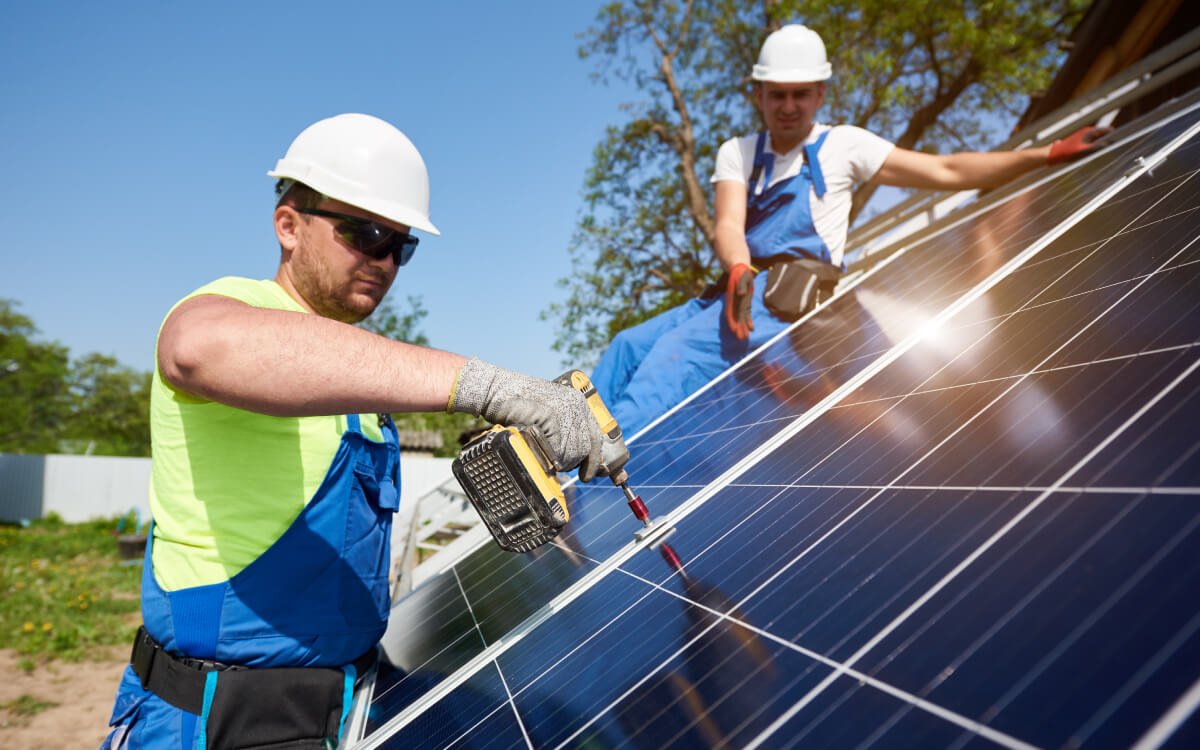
Bangladesh's demand for electricity keeps growing as homes, businesses and industries expand. At the same time, much of the country's power generation depends on fossil fuels, a large share of which must be imported. This makes electricity supply and costs sensitive to global fuel markets.
Solar energy offers a way to generate electricity locally, close to where it is used. Bangladesh receives good sunshine for much of the year, and solar panels continue to produce electricity on cloudy days, although at lower output.
Every unit of electricity generated by a rooftop or ground-mounted solar system is a unit that does not have to come from imported fuel. For homes and businesses, solar combined with battery storage also provides a practical answer to load-shedding, keeping essential loads running when the grid is unavailable.
Land is scarce in Bangladesh, which is one reason rooftop solar is so relevant. Factory roofs, office buildings, schools, hospitals and homes can all host solar panels without using any additional land.
Bangladesh already has wide experience with solar power. Solar home systems have supplied electricity to rural households, solar irrigation pumps have been financed through programmes such as IDCOL's solar irrigation initiative, and a net metering guideline allows eligible grid-connected consumers to export surplus solar energy.
Solar power produces no emissions while operating, so it helps reduce air pollution and greenhouse gas emissions compared with fossil-fuel generation.
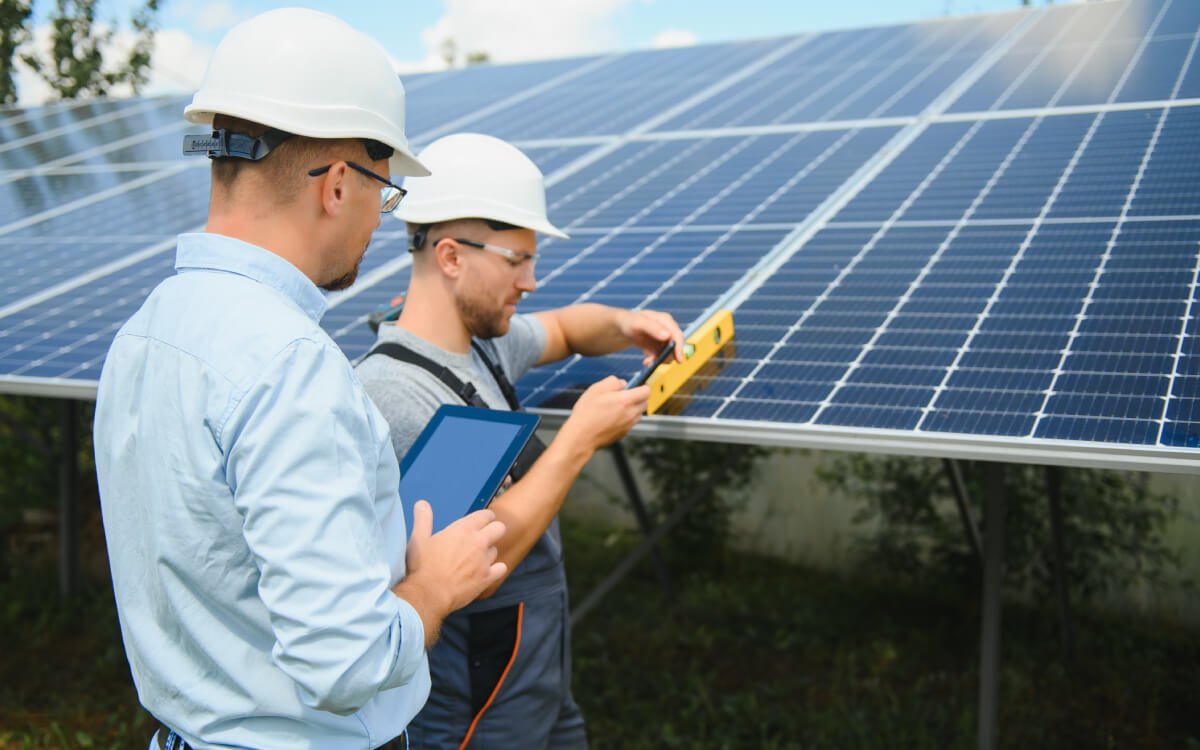
If you are considering solar for your home, business or farm, Si Green Energy can assess your site and explain which type of system makes sense for you.

Copyright 2026 - All Rights Reserved By Si Green Energy