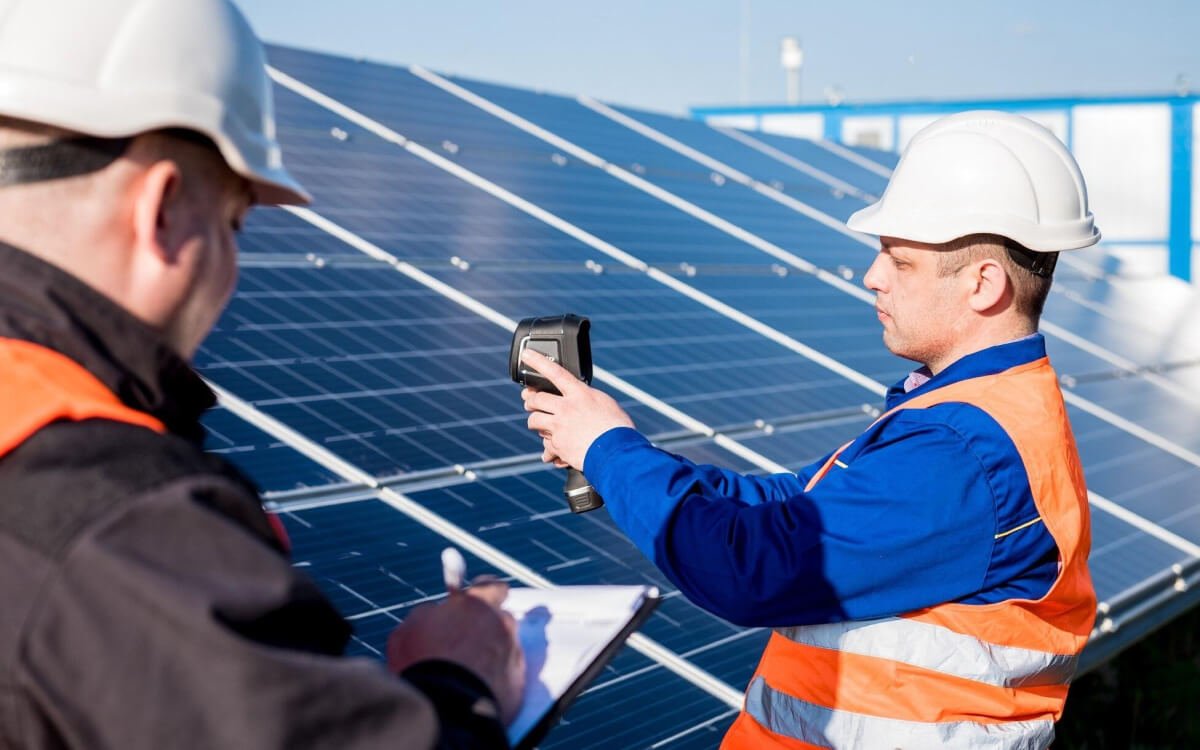
Si Green Energy plans, supplies and installs solar power systems for homes, businesses and industry, with engineering support from the first site survey to long-term maintenance.
Si Green Energy plans, supplies and installs solar power systems for homes, businesses and industry, with engineering support from the first site survey to long-term maintenance.

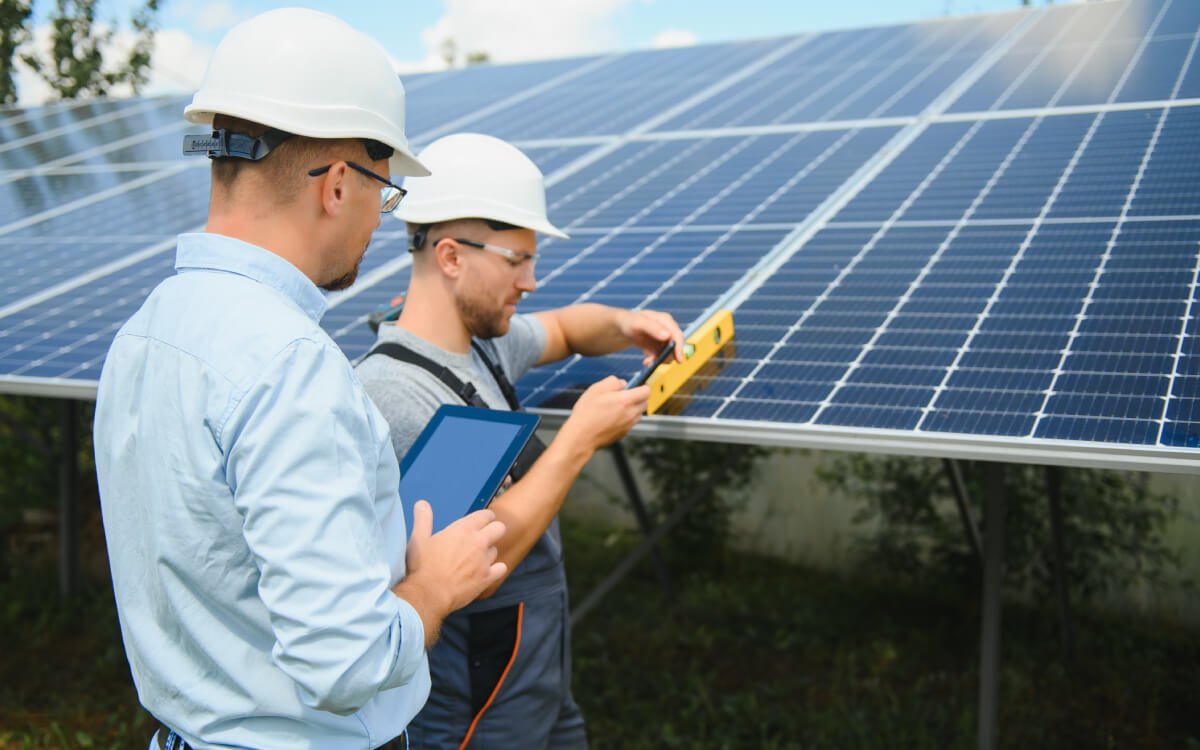
In Bangladesh's towns and cities, rooftops are among the most valuable unused spaces available. A rooftop solar system turns that space into a source of electricity for the building below. Here are the main benefits.
Electricity generated on your roof is used first by your own loads, reducing the amount you need to draw from the grid. How much this reduces your bills depends on your consumption pattern, the system size and your tariff, which is why an assessment is the right first step.
Many businesses run diesel generators during outages. A hybrid system with batteries can supply essential loads during load-shedding, reducing generator running hours, noise and fumes.
Rooftop systems use space you already have. Elevated mounting structures can even keep the roof usable for drying clothes, water tanks or other purposes.
Panels shade the roof surface from direct sun, which can help reduce heat gain in the top floor.
Solar panels have no moving parts and produce no emissions while operating.
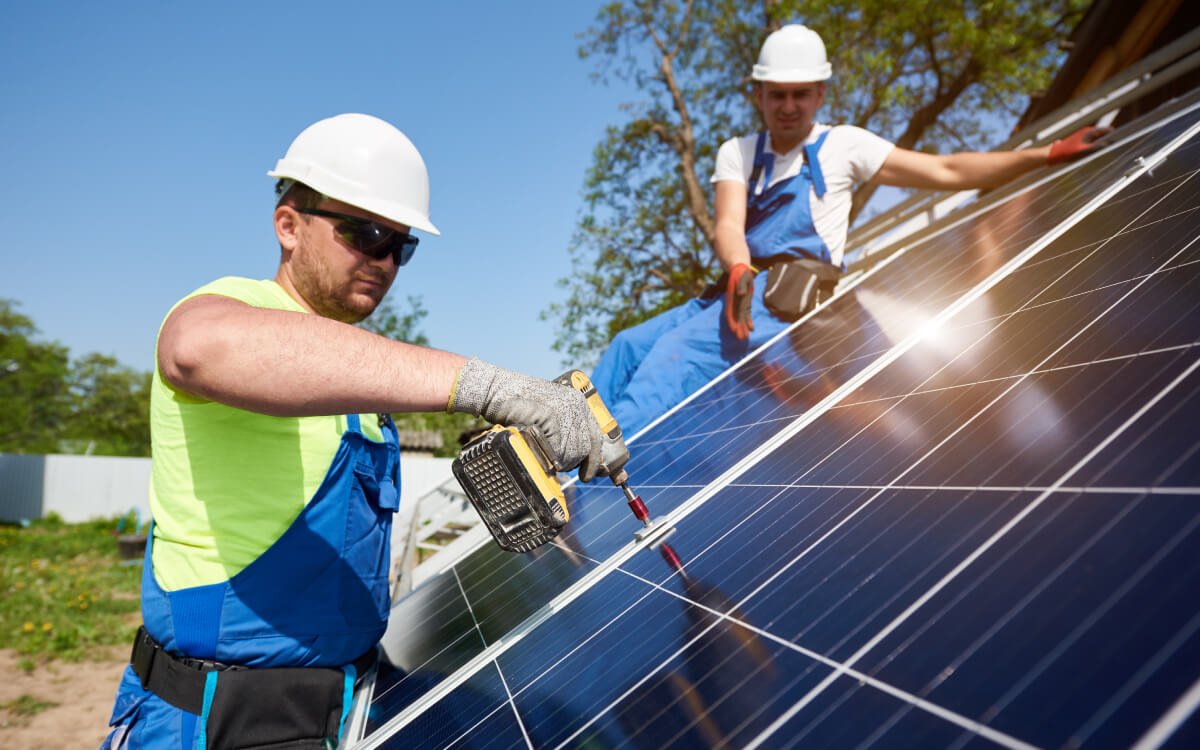
Not every roof is ready for solar. Before installation it is important to check the roof's structural condition, available area, shading from nearby buildings and water tanks, and the condition of the building's electrical system.
Si Green Energy carries out this assessment and designs a system that fits your roof, your loads and your budget.
Copyright 2026 - All Rights Reserved By Si Green Energy