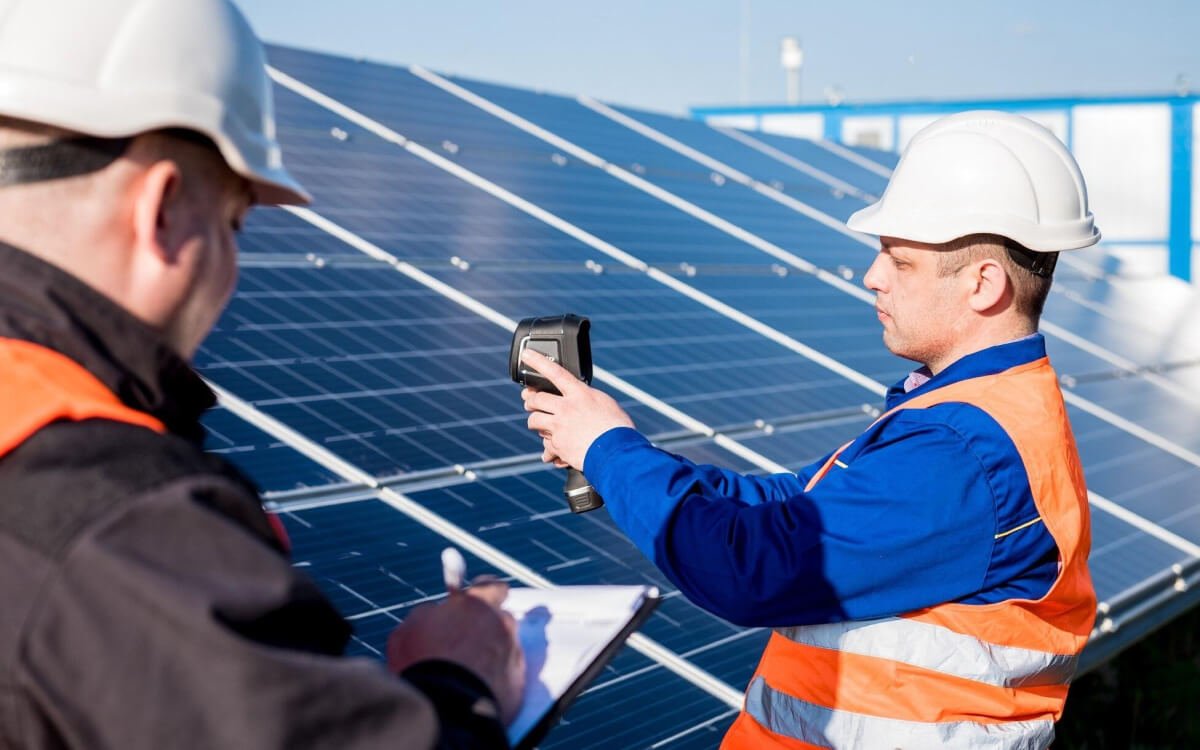
Si Green Energy plans, supplies and installs solar power systems for homes, businesses and industry, with engineering support from the first site survey to long-term maintenance.
Si Green Energy plans, supplies and installs solar power systems for homes, businesses and industry, with engineering support from the first site survey to long-term maintenance.

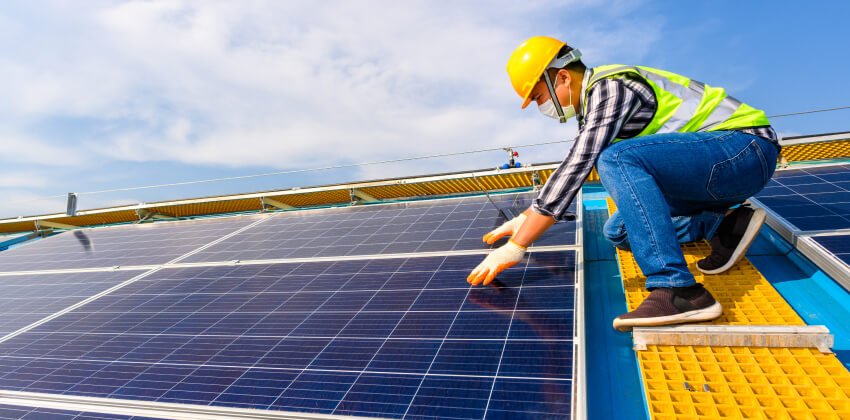
Electricity is a significant operating cost for most factories. Industrial solar systems allow manufacturers to generate part of their own electricity on site, reducing how much they buy from the grid or produce with diesel generators.
Most factories operate during daylight hours, which is exactly when solar panels generate electricity. Large, unshaded roofs over production halls and warehouses provide space for substantial systems without using additional land.
Solar generation directly offsets electricity that would otherwise be bought from the grid. During outages, a properly designed system can also reduce diesel generator running hours. The actual reduction in costs depends on system size, consumption pattern, tariffs and how the system is integrated, so we recommend a detailed assessment before investing.
Roof structure: the roof must safely carry the additional load of panels and structures and resist strong winds. A structural assessment is essential, especially for older buildings and metal roofs.
Electrical integration: industrial systems usually connect to a three-phase supply and must be coordinated with existing switchgear, protection and generators.
Net metering: eligible grid-connected consumers in Bangladesh may be able to export surplus energy under the national net metering guideline. Eligibility and procedures should be confirmed with the utility and SREDA.
Operation and maintenance: dust and pollution around industrial areas mean regular cleaning is important to maintain output.
Many international buyers increasingly ask suppliers about their energy use and emissions. On-site solar demonstrates a practical commitment to cleaner energy.
Si Green Energy designs and installs industrial solar systems, from feasibility assessment to commissioning and maintenance.

Copyright 2026 - All Rights Reserved By Si Green Energy